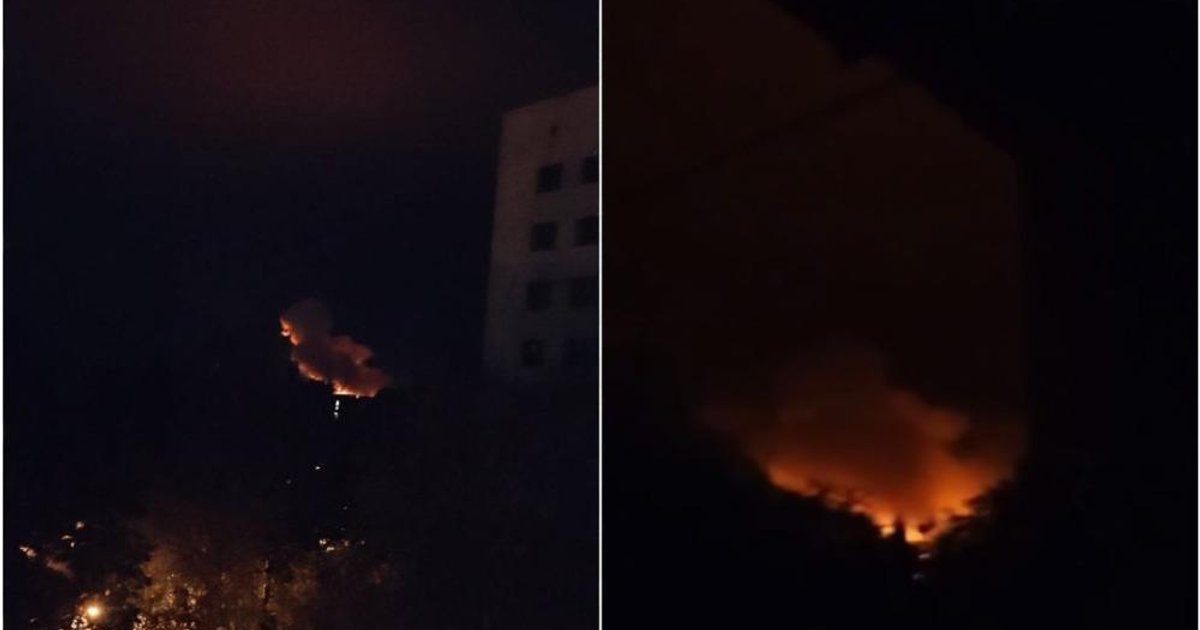
Understanding the Growing Threat of Drone Attack Fires
The landscape of modern conflict and security threats is constantly evolving. Among the most challenging developments is the increasing prevalence of drone attacks, which often result in devastating fires. These aren't ordinary blazes; a drone attack fire presents unique and complex challenges for safety and emergency response. From urban centers to critical infrastructure, understanding how to react effectively to an атака дронов пожар is no longer just for professionals – it's crucial knowledge for every individual living in areas at risk.
This comprehensive guide delves into expert safety protocols and response strategies designed to protect lives and mitigate damage when faced with fires ignited by drone strikes. We'll provide actionable advice, from immediate self-preservation during an attack to post-fire recovery, helping you navigate these high-stakes situations with greater confidence and preparedness. For a deeper dive into the broader consequences, consider reading The Devastating Impact of Drone Attack Fires, which details the wide-ranging effects these incidents can have.
Immediate Safety Measures During a Drone Attack
The moments leading up to and during a drone attack are often characterized by confusion and panic. However, swift and informed action can significantly reduce risks. Your primary goal is personal safety and protection from both the initial impact and potential secondary explosions or debris.
- Seek Immediate Shelter: As soon as an alert is sounded or a drone is observed, find the nearest reinforced shelter. Basements, underground parking garages, or interior rooms without windows are preferable. If you are outdoors and no immediate shelter is available, lie flat on the ground and cover your head and neck.
- Stay Away from Windows: Windows are highly vulnerable to blast waves and flying debris. Even if not directly hit, the force of an explosion can shatter glass, turning it into dangerous projectiles.
- Drop, Cover, and Hold On: In the event of an imminent strike or impact, drop to the floor, take cover under a sturdy piece of furniture (like a heavy table), and hold on. This helps protect you from falling debris and structural collapse.
- Listen for Official Alerts: Pay close attention to air raid sirens, emergency broadcasts, and official alerts from local authorities. They will provide critical information regarding the threat level, areas of impact, and necessary actions, including potential evacuation orders.
- Assess Your Surroundings: Once the immediate threat passes, quickly but cautiously assess your immediate surroundings for signs of fire, smoke, structural damage, or other hazards. Do not linger in potentially unstable areas.
Responding to a Drone Attack Fire: First Steps and Beyond
Once a drone attack culminates in fire, the response shifts from immediate threat evasion to fire containment and emergency management. The nature of an атака дронов пожар can be unpredictable, often involving complex materials and rapidly escalating situations.
Prioritizing Personal Safety
Your safety and the safety of those around you must always be the top priority. Do not attempt to be a hero if you are not trained and equipped for fire suppression in such hazardous conditions.
- Maintain Distance: If you observe a fire, stay a safe distance away. Drone attack fires can involve hazardous materials, exploding drone components, and secondary explosions from compromised infrastructure.
- Protect Yourself from Smoke: Smoke inhalation is a major cause of injury and fatality in fires. If you are near a fire, cover your mouth and nose with a damp cloth to filter out smoke and toxic fumes. Crawl low to the ground where the air is cleaner.
- Do Not Approach Unexploded Ordnance: Drone attacks may leave behind unexploded ordnance (UXO). If you see suspicious objects, do not touch them, move them, or approach them. Mark their location from a safe distance and inform emergency services.
Alerting Emergency Services
Immediate communication with professional responders is critical. Time is of the essence when dealing with a rapidly spreading fire.
- Call Emergency Services Immediately: Dial your local emergency number (e.g., 911, 112, 101) as soon as you are safe to do so. Provide accurate and concise information.
- Provide Key Information: Clearly state the location of the fire (address, landmarks), the type of building or area affected, any visible hazards (e.g., large flames, smoke, strange odors, secondary explosions), and if you have seen any drone components or suspected unexploded ordnance.
- Stay on the Line: Be prepared to answer any further questions the operator may have. Do not hang up until instructed to do so.
Initial Fire Containment (If Safe and Possible)
For small, contained fires, and *only if it is safe to do so* and you possess the right equipment and training, limited initial containment might be possible. However, extreme caution is advised.
- Use Appropriate Extinguishers: If the fire is small (e.g., a wastebasket fire) and you have access to a fire extinguisher, ensure it is the correct type. A Class A extinguisher is for ordinary combustibles (wood, paper). Drone components often involve electronics and potentially lithium-ion batteries, which require Class D or specialized extinguishers (for metal fires) or large amounts of water (for Li-ion cooling, but only by trained personnel).
- Never Risk Your Safety: If the fire is spreading rapidly, involves hazardous materials, or if you feel any doubt about your safety, evacuate immediately. Do not attempt to fight a fire beyond your capability or training.
- Cut Off Fuel Sources: If safe, turn off gas lines or electrical power to the affected area to prevent the fire from spreading or re-igniting.
Post-Fire Safety and Recovery
Once the immediate danger of the fire has passed and emergency services are on site, focus shifts to longer-term safety, recovery, and assessing the damage caused by the атака дронов пожар.
Evacuation and Assembly Points
Following a fire, even if extinguished, structural integrity might be compromised, and lingering hazards can remain.
- Follow Evacuation Routes: Adhere to established evacuation plans for your building or area. Do not deviate or return for belongings until declared safe by authorities.
- Head to Designated Assembly Points: Go to your pre-determined safe assembly point. This allows emergency responders to account for everyone and provide further instructions.
- Account for Others: Help account for family members, colleagues, or neighbors. Inform emergency personnel if anyone is missing or injured.
Addressing Secondary Hazards
Fires, especially those from drone attacks, can leave behind a multitude of hidden dangers.
- Structural Integrity: Be extremely wary of damaged buildings. Walls, ceilings, and roofs can be unstable and prone to collapse. Do not re-enter a building until it has been inspected and declared safe by structural engineers.
- Hazardous Materials: Fires can release toxic fumes, and drone components themselves may contain hazardous chemicals. Avoid direct contact with debris and wear appropriate personal protective equipment (e.g., masks, gloves) if advised by authorities for clean-up.
- Environmental Contamination: The remnants of drone components and fire suppressants can contaminate soil and water. Follow local health and environmental advisories for safe clean-up and disposal.
- Psychological First Aid: Experiencing a drone attack and resulting fire can be traumatic. Seek psychological support if needed, and be mindful of the emotional well-being of those around you.
Documenting the Incident
Proper documentation is important for insurance claims, investigations, and future preparedness efforts.
- Photographs and Videos: If it is safe to do so and does not impede emergency operations, take photos or videos of the damage for insurance purposes. Do this from a safe distance and only after the immediate danger has passed.
- Keep Records: Document the time, date, and details of the incident. Keep copies of any official reports or communications from emergency services.
For more detailed information on how to prepare for such incidents, including creating emergency kits and developing family plans, refer to Preparing for Drone Attack Fires: Your Essential Guide.
Preparing for the Unthinkable: Proactive Measures
While reacting effectively during and after a drone attack fire is critical, proactive preparation can make a profound difference in outcomes. Being ready for an атака дронов пожар is about more than just equipment; it's about knowledge and planning.
- Develop an Emergency Plan: Create a family or workplace emergency plan that includes designated safe zones, evacuation routes, and communication strategies. Practice this plan regularly.
- Assemble an Emergency Kit: Prepare a kit with essentials like first-aid supplies, water, non-perishable food, a flashlight, a radio, and copies of important documents.
- Install and Maintain Fire Safety Equipment: Ensure your home or workplace has working smoke detectors, carbon monoxide detectors, and readily accessible fire extinguishers. Know how to use them.
- Stay Informed: Be aware of local alert systems and emergency communication channels. Understand the risks specific to your area.
- First Aid and CPR Training: Basic first aid and CPR skills can be invaluable in emergency situations.
Conclusion
The threat of a drone attack fire is a grim reality in many parts of the world. While we hope never to face such an event, knowledge and preparedness are our strongest defenses. By understanding the unique challenges of an атака дронов пожар, prioritizing personal safety, responding effectively to emergencies, and taking proactive steps to prepare, individuals and communities can significantly enhance their resilience. Stay informed, stay vigilant, and empower yourself with the expert safety and response tips necessary to navigate these complex and dangerous situations.