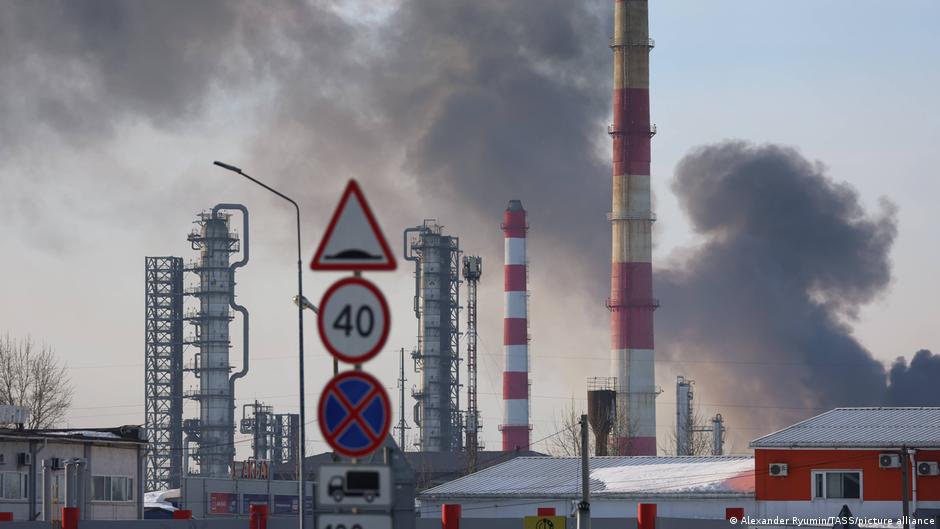
In an increasingly complex world, the threat of drone attacks has emerged as a significant concern, not only due to their immediate destructive potential but also because of the devastating fires they can ignite. These fires, often widespread and intense, pose severe risks to life, property, and critical infrastructure. Preparing for such an event is no longer a hypothetical exercise but a crucial aspect of modern safety and security planning. This comprehensive guide aims to equip individuals, families, and communities with the essential knowledge and actionable steps needed to mitigate the risks associated with drone-induced fires, transforming potential victims into proactive survivors.
Understanding the Threat: The Nature of Drone Attack Fires
Drones, whether armed with explosives or used to deliver incendiary devices, can initiate fires with alarming speed and intensity. The impact of a drone, especially one carrying fuel or a payload designed to combust, can lead to immediate ignition. These fires are often unpredictable, rapidly spreading due to prevailing winds, the presence of flammable materials, and the inherent chaos of an attack situation. Understanding the unique characteristics of these fires is the first step towards effective preparedness.
The Dynamics of Drone-Induced Blazes
- Rapid Ignition: Drones can target specific vulnerabilities, leading to immediate and often multiple ignition points.
- Diverse Fuel Sources: Fires can involve structural materials, vehicles, industrial chemicals, natural gas lines, and forests, requiring different suppression techniques.
- Structural Damage: The initial impact can compromise building integrity, making firefighting efforts more hazardous and increasing the risk of collapse.
- Secondary Explosions: Damaged infrastructure, such as gas lines or power transformers, can lead to further explosions, escalating the danger.
The sheer scale and challenge of these incidents are well-documented; for a deeper dive into the broader consequences, consider reading The Devastating Impact of Drone Attack Fires. The term "атака дронов пожар," often searched for in affected regions, underscores the global recognition of this critical threat and the need for robust preparation.
Proactive Preparedness: Before an Attack Occurs
Effective preparation is about foresight and systematic planning. Before any incident occurs, it’s vital to assess your environment, develop plans, and assemble necessary resources. This phase builds the foundation for a resilient response.
1. Conduct a Risk Assessment
Identify potential vulnerabilities in your home, workplace, or community. Consider:
- Location: Are you near critical infrastructure, industrial sites, or densely populated areas that might be targets?
- Building Materials: Are your structures made of highly flammable materials? Can you enhance fire resistance?
- Surrounding Environment: Clear dry brush, debris, and other flammable items from around your property.
2. Develop a Comprehensive Emergency Plan
Every household and organization should have a clear, rehearsed emergency plan. This plan should include:
- Evacuation Routes: Identify at least two clear escape routes from every room and building. Practice them regularly.
- Meeting Points: Designate an outdoor meeting point a safe distance from your home/building, and a secondary meeting point outside your neighborhood.
- Communication Strategy: Establish how family members or colleagues will contact each other if separated. Consider text messages, out-of-state contacts, or satellite phones if regular lines are down.
- Emergency Contacts: Keep a list of emergency services, doctors, and family contacts readily available.
3. Assemble an Emergency Kit (Go-Bag)
This kit should be easily accessible and contain essentials for at least 72 hours:
- Water: One gallon per person per day.
- Food: Non-perishable, easy-to-prepare items.
- First Aid Kit: Stocked with bandages, antiseptic wipes, pain relievers, and any prescription medications.
- Flashlight & Batteries: Or a headlamp.
- Whistle: To signal for help.
- Dust Mask & Goggles: For protection against smoke and debris.
- Radio: Battery-powered or hand-cranked, with extra batteries.
- Essential Documents: Copies of IDs, insurance policies, important numbers in a waterproof bag.
- Cash: Small bills, as ATMs may not work.
- Personal Hygiene Items: Wipes, hand sanitizer, feminine products.
- Warmth: Blankets or sleeping bags.
4. Fire Suppression Equipment and Training
Having the right tools and knowing how to use them can make a critical difference in the initial stages of a fire.
- Fire Extinguishers: Install ABC-rated extinguishers on every floor and in high-risk areas (kitchen, garage). Ensure everyone knows how to use them (PASS method: Pull, Aim, Squeeze, Sweep).
- Smoke Detectors & Carbon Monoxide Detectors: Install and test monthly. Change batteries twice a year.
- Fire Blankets: Useful for smothering small kitchen fires.
- Access to Water: If possible, maintain a garden hose that can reach all parts of your property, or know the location of communal water sources.
Understanding the concept of "атака дронов пожар" emphasizes the need for a multi-layered defense and preparedness strategy against drone-induced fires.
Immediate Response and Safety Measures
When an attack occurs, quick and decisive action is paramount. Your immediate response can determine safety outcomes for you and those around you.
1. Seek Immediate Shelter
- Go Indoors: If outdoors, seek the nearest sturdy building. Avoid windows.
- Stay Low: If smoke is present, crawl on the floor to avoid inhaling toxic fumes.
- Listen for Warnings: Pay attention to official alerts and sirens.
2. Assess and Act on Fires (If Safe)
Only attempt to extinguish a fire if it is small and contained, you have the right equipment, and your escape route is clear. Otherwise, prioritize evacuation.
- Use the PASS Method: For fire extinguishers.
- Cut Off Fuel: If safe, turn off gas lines or power to prevent escalation.
- Containment: Close doors behind you as you evacuate to slow the fire's spread.
3. Evacuate Safely
- Follow Your Plan: Stick to your pre-determined evacuation routes and meeting points.
- Assist Others: Help children, the elderly, or those with disabilities to evacuate.
- Do Not Use Elevators: Always use stairs during a fire.
- Feel Doors: Before opening a closed door, feel it with the back of your hand. If it's hot, don't open it; find an alternative route.
- Crawl Under Smoke: If there's smoke, stay low to the ground where air is cleaner.
4. Call Emergency Services
Once you are in a safe location, call emergency services immediately (e.g., 911 in the US, 112 in EU) and provide as much detail as possible about the incident and any fires. For more in-depth advice on immediate actions during and after such events, consult Drone Attack Fire: Expert Safety and Response Tips.
Post-Incident Actions and Recovery
Once the immediate danger has passed, the focus shifts to safety, assessment, and recovery.
1. Prioritize Safety Before Re-entry
- Wait for Clearance: Do not re-enter damaged buildings until authorities declare it safe. There may be structural weaknesses, lingering fires, or hazardous materials.
- Check for Utilities: If given permission to re-enter, check for gas leaks (smell of rotten eggs), downed power lines, or compromised water pipes. Turn off main utility switches if instructed.
2. Document Damage and Seek Assistance
- Take Photos/Videos: Document all damage for insurance claims.
- Contact Insurance Provider: Report the incident as soon as possible.
- Seek Support: Connect with local emergency management agencies, relief organizations, or community support groups for aid, temporary housing, or psychological assistance.
3. Community Resilience and Long-term Preparedness
Recovery is often a community effort. Engage with local authorities and neighbors to support rebuilding efforts and to improve future preparedness plans. Learn from the experience to refine your emergency plan and address any overlooked vulnerabilities. The resilience shown in the face of an "атака дронов пожар" is a testament to strong community bonds and preparedness.
Conclusion
The threat of drone attack fires is a serious reality that demands proactive preparation. By understanding the nature of these incidents, developing robust emergency plans, equipping ourselves with essential tools, and practicing immediate response techniques, we can significantly reduce risks and enhance our chances of survival and recovery. Preparedness is not about living in fear, but about building resilience and empowering ourselves and our communities to face potential challenges with confidence and capability. Start preparing today; your safety and the safety of those around you depend on it.